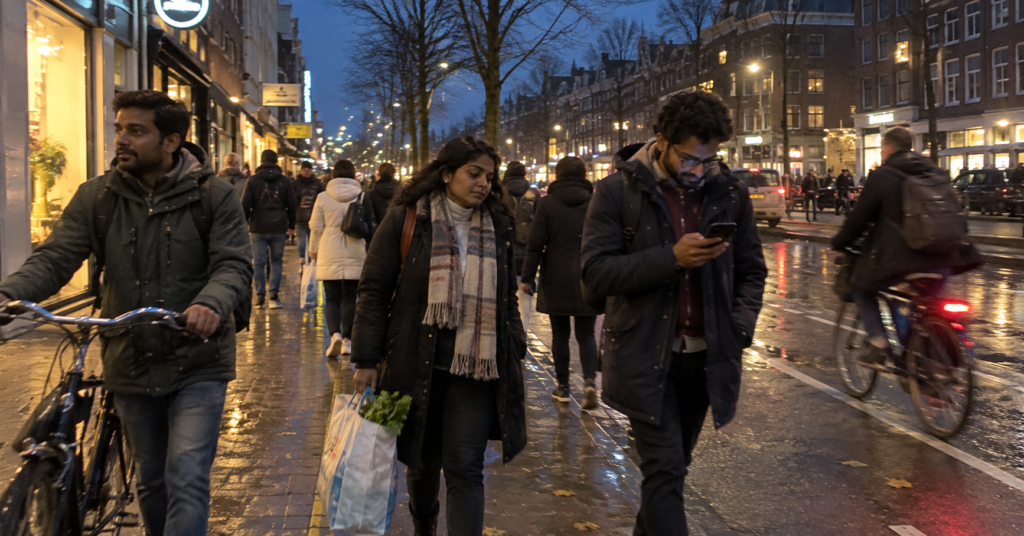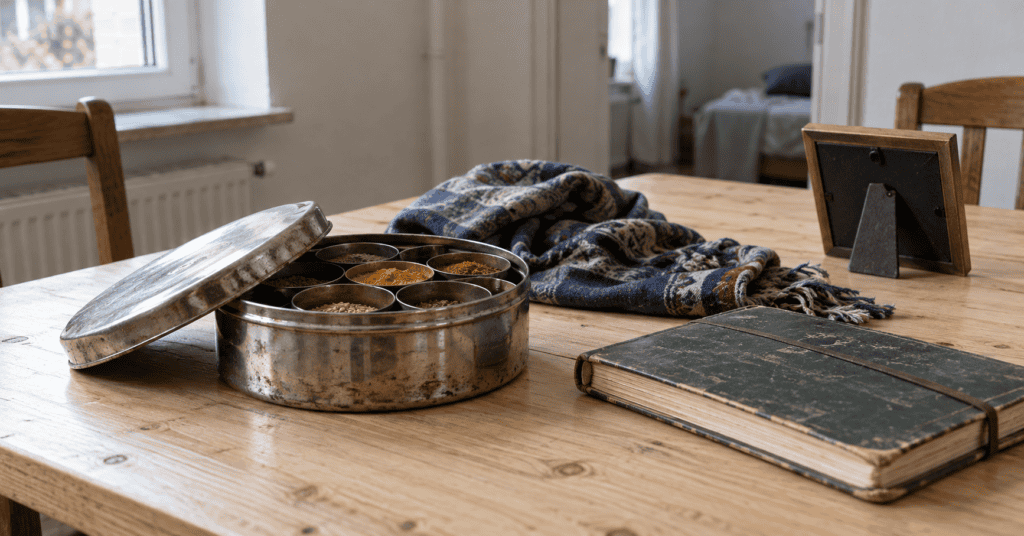
A new country gives you plenty of opportunities to buy new things. It does not necessarily make the old ones replaceable. Sometimes the useful object and the personal history arrive in the same suitcase.
What did you bring from India that you could, technically, replace here? A utensil, a book, a photograph, or something so ordinary that nobody else would think to ask about it?
The answer need not be expensive, beautiful, or especially Indian. The Migration Museum’s Room to Breathe exhibition used personal objects alongside photographs and audio to tell stories of making a home in a new country. An object offers a small, concrete way into a life that a general question about “identity” can miss.
The examples below are possibilities to recognize or argue with, rather than a collection of invented reader submissions. Perhaps your item is here. Perhaps yours is wonderfully less sentimental.
1. The spice box that saves you one decision
A familiar arrangement can make cooking feel automatic. You know which compartment holds what, how much to take, and which lid never sits quite straight. A new set of jars could perform the same function, but it might not preserve the same rhythm.
The connection can be entirely practical. Familiar equipment is useful when much of the rest of the day requires you to stop and think. Home is sometimes the place where your hands already know what to do.
2. The steel container with a very ordinary job
It holds leftovers. Or lunch. Or the thing that needs a lid while you clear space in the fridge. Its importance may have nothing to do with preserving culture and everything to do with being a container that works.
That is a valid migration story too. The objects we keep do not all have to perform emotional duties. An everyday item can belong to a new life precisely because it gets used, rather than displayed as a souvenir of the old one.
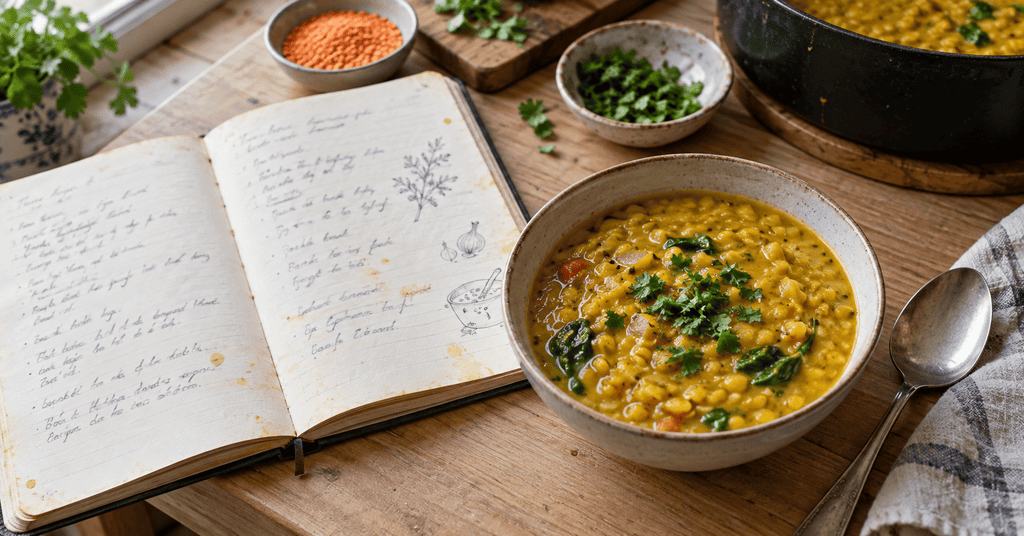
3. The handwritten recipe that leaves out the crucial amount
“A little water” is less helpful when the person who knows how much is several time zones away. A recipe written by someone you know can be both a cooking instruction and a record of how they explain things.
You may eventually add measurements, change an ingredient, or write a note about what works in your current kitchen. The page can become a collaboration between two places rather than a rule that must remain untouched.
4. The book in a language you don’t use all day
A book can hold a pace of thought that differs from the language you work in. It might be a novel, poetry, a prayer book, a school text, or a thoroughly unimportant paperback you happen to like.
Its role need not be preservation for preservation’s sake. You can pick it up because you want the story. Maintaining a language can happen through both pleasure and duty.
5. The clothes waiting for an occasion
A scarf, kurta, sari, or other garment can sit folded away for a long time between uses. That does not necessarily make it wasted space. Some clothes are meant for occasions rather than the weekly laundry cycle.
When you do wear them, they become part of the current place: a celebration in a hired hall, a dinner in a Dutch apartment, or a wedding reached by train. The occasion changes; the garment can travel with it.
6. The photograph that is not your best photograph
The technically better picture may still be on your phone. The one you keep in a frame might have awkward lighting, someone half looking away, and exactly the people or moment you want nearby.
A personal photograph does not need to be evidence that life was better before you moved. It can simply keep a particular moment present while new ones accumulate around it.
7. The small object that carries a practice
For some people, it is a prayer book or another object used in religious practice. For others, it is something associated with a quieter personal routine. Its importance depends on what you do with it, not on how convincingly it represents India to a visitor.
That makes privacy part of the story. You can value an object without turning it into an explanation of your beliefs every time someone notices it.
8. The thing you brought before you knew who you would become here
An old notebook, a first professional badge, a guitar pick, or a perfectly ordinary mug can acquire meaning retrospectively. It was there before the new job, the language lessons, or the neighborhood began to feel familiar.
You may keep it. You may eventually let it go. Neither decision has to settle how attached you are to home. Sometimes an object has finished its job; sometimes it is still doing it.
Your turn: give the object a story
Choose one item and answer three questions:
- When did you bring it?
- What do you use it for now?
- What would a replacement fail to replace?
If you would like to share, tell us in the comments what the object is and which city it lives in now. A specific detail will say more than a general statement about missing India. The best object may be the one that looks unremarkable until you explain it.
Sources
- Migration Museum. Room to Breathe, an object-centered approach to migration stories. The exhibition page describes it as closed; it is a storytelling reference, not a current visitor recommendation.
- The eight examples are editorial reflections, not attributed interviews or reader contributions.