
You spent years getting used to €4 coffee, empty Sundays and planning dinner with friends three weeks in advance. Then your parents arrive from India and review the entire continent in 48 hours.
There is something special about seeing Europe through your parents’ eyes for the first time.
You may have stopped noticing that people cycle in the rain, lunch is sometimes just bread, and a perfectly normal haircut can cost what your father considers a respectable electricity bill.
Your parents have not.
They arrive with fresh eyes, strong opinions and an almost supernatural ability to convert every price into rupees before you can stop them.
Here are a few things you are very likely to hear.
1. “It is so clean here… but where are all the people?”
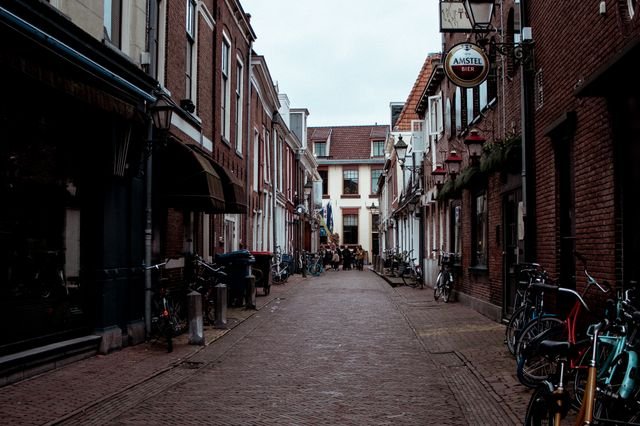
The first reaction is admiration. The roads are clean. The parks are tidy. The footpaths exist. Cars stop at crossings. Nobody is honking because a traffic light has been red for seven seconds.
Then comes suspicion. “But where is everyone?”
A quiet Dutch suburb on a Sunday morning can look, to an Indian parent, less like a peaceful neighbourhood and more like the opening scene of a disaster movie.
No vegetable seller shouting. No scooter appearing from an impossible direction. No neighbour conducting an entire phone conversation from the balcony. Just… silence.
2. “You walk THIS much every day?”
You tell them the restaurant is “very close”. Twenty-five minutes later: “How much more?”
You explain that Europeans walk everywhere. To the supermarket. To the station. To work. For fun.
The last one is particularly difficult to explain. “You walked for one hour… and then came back home?” Yes. That was the activity.
By day three, they are checking Google Maps before agreeing to leave the house with you.
3. “The trains are very good here.”
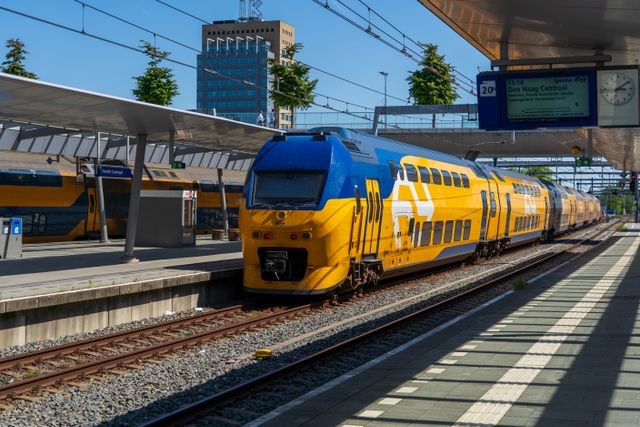
This will usually be said approximately 40 minutes before: “€28 for one ticket?!?”
European public transport creates a complicated emotional journey for Indian parents.
First: admiration.
“The trains are so clean.”
“Everything is on time.”
“You can go anywhere.”
Then they discover what it costs. You immediately make the mistake of letting them convert €28 into rupees. The rest of the journey is spent discussing how far ₹2,700 could take you in India.
Do not attempt to defend the ticket. You will lose.
4. “YOU PAID HOW MUCH?”
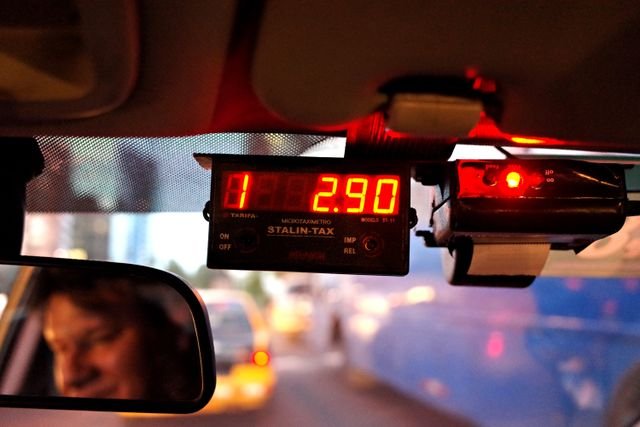
This sentence deserves its own category because it can apply to almost anything.
Coffee: €4.50.
Haircut: €38.
Taxi from the airport: €60.
Two mangoes: €7.
Dinner for four: please don’t tell them.
The Indian-parent brain contains an automatic currency-conversion engine with extremely low latency.
You can try: “You cannot convert everything into rupees.”
This has never stopped anyone. They will convert it. They will compare it with the price in India. And they will inform you that for this amount, you could have bought three of the thing, plus chai.
5. “You earn in euros and still clean your own bathroom?”
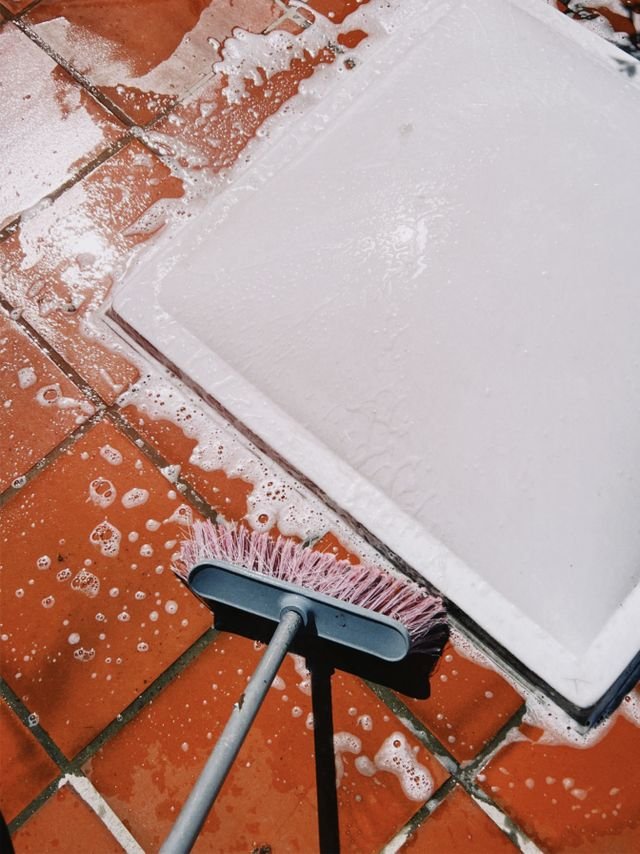
This may be the moment they begin questioning the entire European dream.
You have a respectable job, a decent salary, perhaps even a nice apartment. And yet, somehow, you vacuum, you mop, you clean the toilet, You take your own rubbish downstairs. Your parents stare at you like the European economy has personally failed.
“There is nobody who comes to clean?”
No.
“Nobody?”
No.
“Even once a week?”
Still no.
Suddenly your €100,000 salary sounds much less impressive.
6. “Why is lunch just bread?”
Europe has many extraordinary culinary traditions. Your parents will encounter none of them at 12:30 on a Tuesday. Instead, someone will place two slices of bread, cheese and perhaps a boiled egg in front of them and call it lunch.
They will wait politely.
Because surely something else is coming.
Nothing else is coming.
“Bas?”
Yes. That is lunch. For many Indian parents, this is the moment European civilisation reveals its biggest weakness. Breakfast being bread is acceptable. Lunch being bread feels like giving up. Maybe just visit an Indian restaurant next time.
7. “What do you mean the shop is closed?”
You forgot. You have adapted. Your parents have not. They decide at 18:15 that they would like to buy something completely reasonable. Maybe shoes.
Maybe a mixer.
Maybe coriander.
You check Google Maps.
Closed.
“Why?”
Because it is Sunday.
“But people need things on Sunday also.”
Correct. Europe remains unmoved by this argument. The first time this happens, they are confused. The third time, they start planning supermarket trips like military operations. Which is how you realise they too are slowly becoming European.
8. “Old people here do everything themselves!”
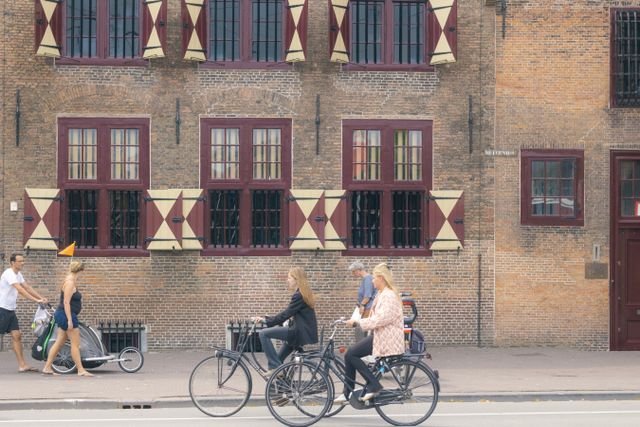
This one is usually said with genuine admiration. An 82-year-old cycles past. Another person walks home carrying groceries. Someone’s grandmother boards a train alone with a suitcase and changes platforms faster than your entire family.
Your parents notice. “Look at them. So independent.”
There is often a slightly uncomfortable pause after this. Because everyone is now thinking about what getting older looks like in India versus Europe. Then another elderly Dutch person overtakes you on a bicycle and the conversation moves on.
9. “You have to make an appointment to meet your friends?”
Now we reach one of the deepest cultural differences. Your mother asks: “Why don’t you call your friend? We can go to their house.”
You explain that they are free three Thursdays from now. She looks at you. You look at her. There is no way to explain this without making your social life sound deeply administrative. Eventually your parents learn that in Europe even casual friendship can involve: “How about the 17th after 7?”
And you learn that somewhere along the way, this stopped sounding strange to you.
10. “Why is your house so small?”
This one depends on where you live. If you are in Amsterdam, London, Paris or another expensive city, brace yourself. They have seen the photos.
They know roughly what you paid. Then they enter the bedroom.
“This is the bedroom?”
Yes.
“Where will the cupboard go?”
That is the cupboard.
Then they see the tiny toilet. And there’s just one. Or two.
You explain that this is normal. They nod. But they do not believe you.
11. “The vegetables look very nice. But there is no taste.”
Europe wins presentation. India wins flavour. This verdict will be delivered after purchasing the most visually perfect tomato you have ever seen.
Round. Red. Glossy. Photogenic. Your mother cuts it. Silence.
“Nothing.”
The same fate may befall mangoes, chillies and coriander. For the next three weeks, every supermarket trip becomes an investigative mission to locate a tomato with a personality.
12. “Very nice country. But I could never live here.”
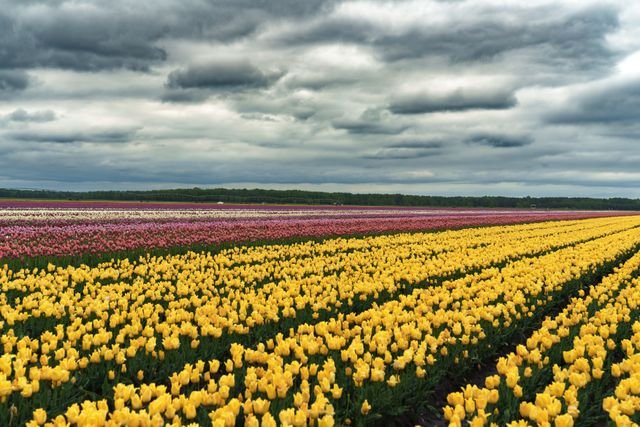
And finally, after two or three weeks, they love the trains, they love the clean streets, they love the parks, they love that cars stop for pedestrians, they admire the work-life balance. They have taken approximately 1,400 photographs of flowers. And then: “Very nice. But I could never live here.”
Why?
Too quiet. Too cold. Too much walking. Too little spontaneous social life. Too much bread. Not enough help at home. And everyone is very far away.
Which is probably fair. Because visiting Europe and building a life in Europe are two completely different experiences.
The funny part is that they are also reviewing you
Somewhere between the complaints about lunch and the admiration for public transport, something else happens.
You realise how much you have changed.
You check the weather before leaving the house.
You own proper rain gear.
You think 25 minutes is “walking distance”.
You schedule coffee.
You recycle with alarming confidence.
You defend European systems when your parents criticise them.
Then, five minutes later, you complain about Europe yourself.
Maybe that is what becoming almost local looks like.
You stop noticing the strange things.
Until your parents arrive and point them all out again.
What was the first thing your parents said when they visited Europe?
There is a very good chance someone else’s parents said exactly the same thing.