The right paneer depends partly on the dish and partly on your evening. A ready-made block offers convenience; making a batch gives you more control over how it is drained and pressed. Compare both before deciding that homemade is automatically better—or cheaper.
You want paneer tonight. The recipe is settled, the spinach is waiting, and a surprisingly large part of the decision now concerns logistics. Is there a block in the fridge? Is a shop nearby? Do you have milk, cloth, and enough time to make a batch?
It helps to separate three questions: what texture you want, how much time you have, and what the usable paneer will cost. This is a buying-and-making guide, rather than a taste-test ranking. No brand is being declared a winner without a kitchen test.
Start with what the paneer needs to do
For bhurji, a block’s ability to hold perfectly neat cubes may matter less than how it crumbles. For skewers or a dish in which pieces will be moved around repeatedly, firmness becomes more useful. In a sauce, your preference may lean towards tender pieces rather than a particularly rigid shape.
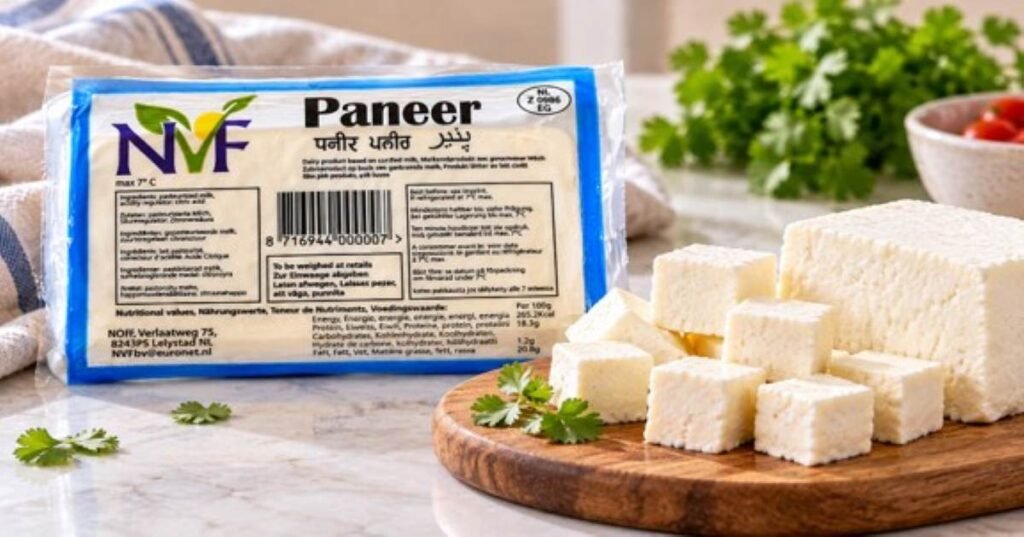
With homemade paneer, draining and pressing are part of the decision. With purchased paneer, you choose the product as sold and follow its storage and preparation instructions. Neither route guarantees your preferred result: the next useful comparison is between products or batches cooked in the dish you actually make.
| Your plan | What to prioritise | A reasonable starting choice |
|---|---|---|
| A curry on a busy evening | Availability and predictable preparation | A block you can buy locally |
| Bhurji | A texture you enjoy crumbled | Bought or homemade; firmness is less central |
| Tikka or skewers | Pieces that remain intact | Check the product’s cooking guidance; press homemade paneer appropriately |
| A weekend cooking project | Control over the process | A homemade batch |
| A small portion | Avoiding unused leftovers | A suitably sized pack or a batch you will use promptly |
The homemade route includes waiting
Roopa Gulati’s paneer recipe for Good Food gives a useful reality check. It uses two litres of whole milk and lists a yield of 250g. The method includes coagulating the milk with lemon juice, draining the curds, and pressing them in the fridge for at least two to three hours.
That means “simple ingredients” and “ready in time for dinner” are different promises. A recipe can be straightforward and still be inconvenient at 7pm. Read the complete method before you start, use the stated storage guidance, and treat the published yield as a recipe estimate rather than a guarantee for every milk and batch.
Compare the price of what you can actually eat
A 200g packet and a 500g packet are not directly comparable by sticker price. Work out the price per 100g first. For homemade paneer, use the weight of the finished batch, not the amount of milk you began with.
Worked example — illustrative figures, not current shop prices:
| Option | Assumed cost and amount | Ingredient cost per 100g |
|---|---|---|
| A purchased pack | €4 for 250g | €1.60 |
| A homemade batch | €3.50 of ingredients yielding 250g | €1.40 |
In that example, the ingredient saving is €0.50 for the batch. Delivery costs, energy, equipment, and your time are excluded. Change the milk price or yield and the result changes. A small saving might be worthwhile if you enjoy making paneer; it may be unpersuasive if you mainly want to eat.
The calculation: divide the total ingredient or purchase cost by the usable grams, then multiply by 100. Keep delivery charges separate so you can see whether they change the decision.
A search result is not a block in stock
Online product pages can remain visible after availability changes. At the time of checking, Albert Heijn’s Apetina paneer page was marked out of assortment. Ekirana’s paneer category listed organic paneer and Züger Paneer Nature, but an individual organic-product page displayed an old best-before date.
Before ordering, confirm the batch date, delivery coverage, and handling arrangements with the seller. For a product you buy in person, the pack in your hand is the relevant reference for ingredients and storage.
The useful answer can change during the week
You can enjoy making paneer on Saturday and buy it on Wednesday without abandoning a culinary principle. One choice gives you a process to control; the other saves you a process to manage.
Choose for the dish, the available product, and the evening you have. If you want to compare taste, cook comparable portions side by side. Until then, the most reliable winner is the option that gets your dinner made.
Sources
- Roopa Gulati / Good Food. Paneer recipe. Recipe yield and method, not an AlmostLocal test.
- Albert Heijn. Apetina paneer listing.
- Ekirana. Paneer product category and organic paneer listing. Listings checked 13 October 2026; availability requires confirmation.