A visit to Rijksmuseum always begins with ten minutes of awe, but then you are lost in countless exhibitions. Next time you are there, plan to cover our suggestions to add some more connection to your tour. From textiles and trade to gods, rituals, and colonial echoes — the Rijksmuseum quietly carries more India than most of us expect.
The Rijksmuseum holds significant Indian artifacts, particularly in its Asian collection, focusing on bronzes like Chola-era Nataraja sculptures, photographs from the British colonial era (Tripe, Bourne), and decorative arts, reflecting India’s cultural heritage and its complex colonial history with the Netherlands through the Dutch East India Company (VOC). Though the Rijksmuseum doesn’t shout about India, once you notice it, you can’t stop seeing it.
Shiva Nataraja
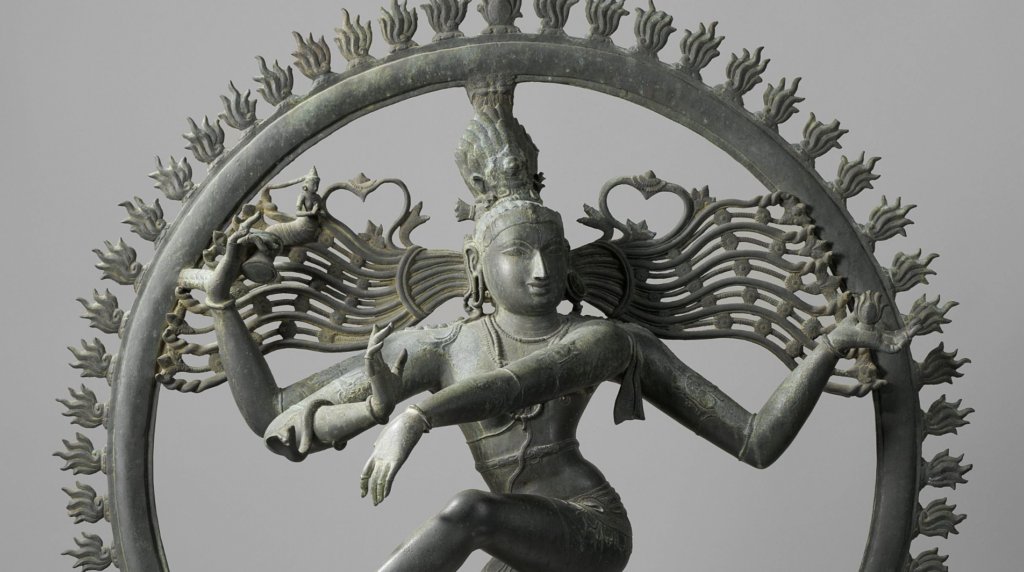
One of the most impressive and important images of the Nataraja is preserved at the Rijksmuseum. This statue is dated c. 1100 – c. 1200 and attributed to the Cholas in South India.
Where to find it: AK-MAK-187
Shiva en Parvati met kinderen
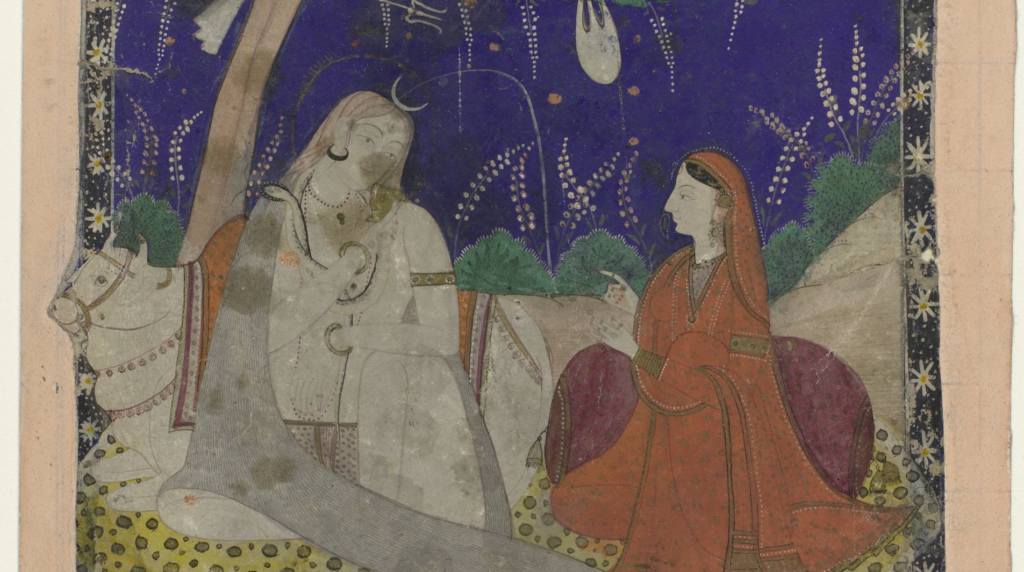
Shiva and Parvati are depicted outside on a lawn with a cow behind them and children in the foreground. The image is framed by a narrow border in dark blue with white floral and dotted motifs, surrounded by a slightly wider pink border; the image is glued onto the edges. It was created in 1830 by artists in Mandi.
Where to find it: RP-T-1993-309
Chintz with Garlands and Bouquets
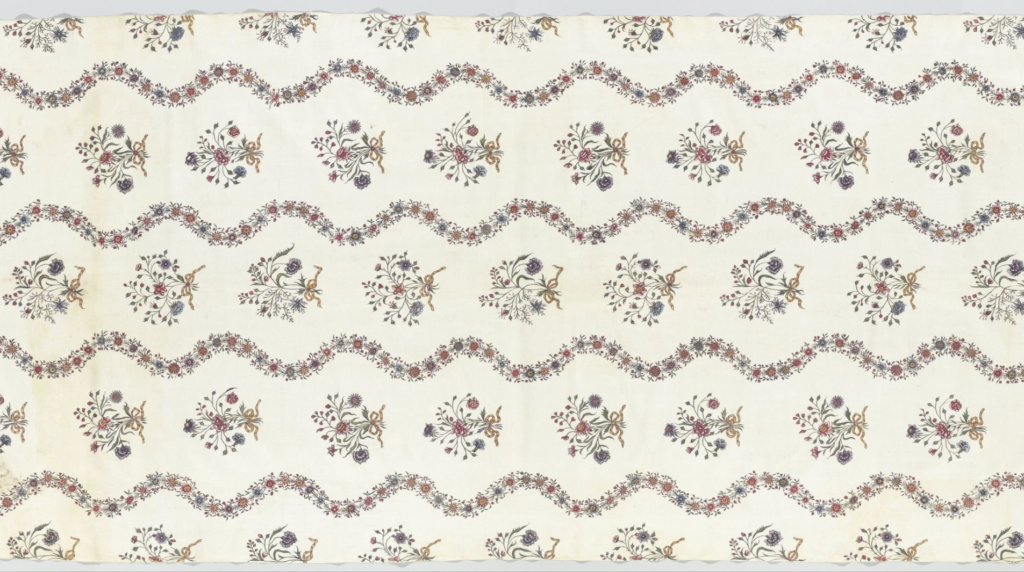
In the 17th and 18th century chintz was the most fashionable material for interior decoration throughout Europe. Only the technique reveals the piece’s Indian origins; the ornamentation is entirely in keeping with European taste. Vertical, undulating tendrils and bands are common on printed cotton, silk, and wallpaper from this period.
Where to find it: BK-1980-126
Palampore
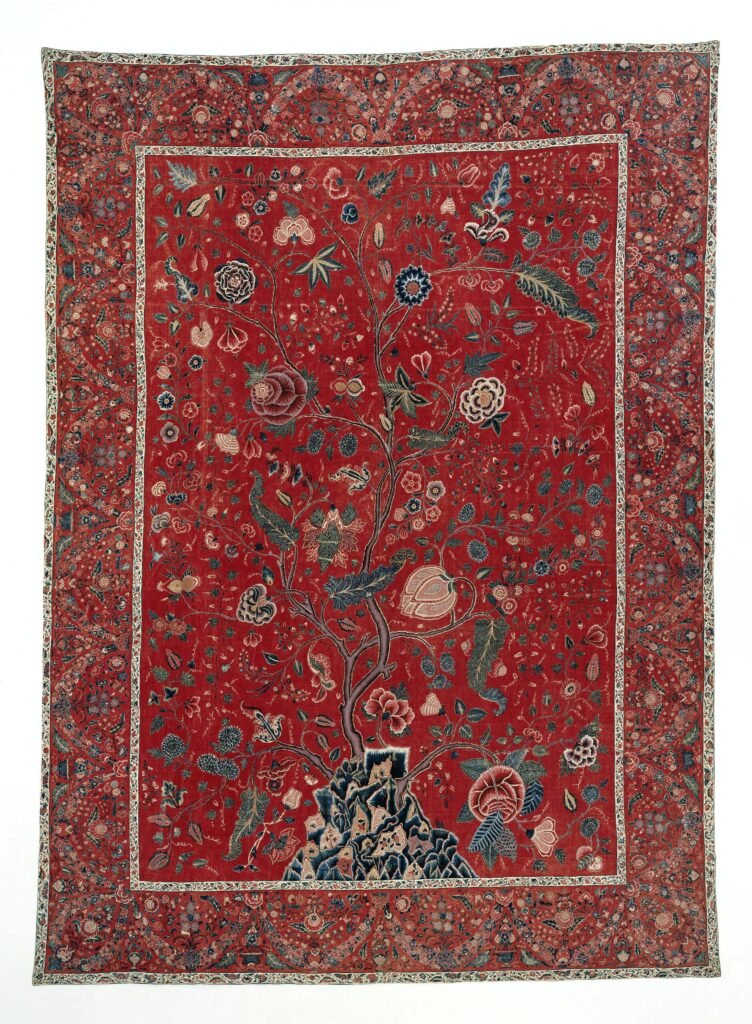
This type of large cloth was usually thrown over a bed, stretched behind it, or hung throughout the room. It was known in Europe as a ‘palampore’. It was made in India in 1725-1750 with cotton, dyed by mordanting and recessing techniques and lined with linen.
Where to find it: BK-1971-118
Map of South India
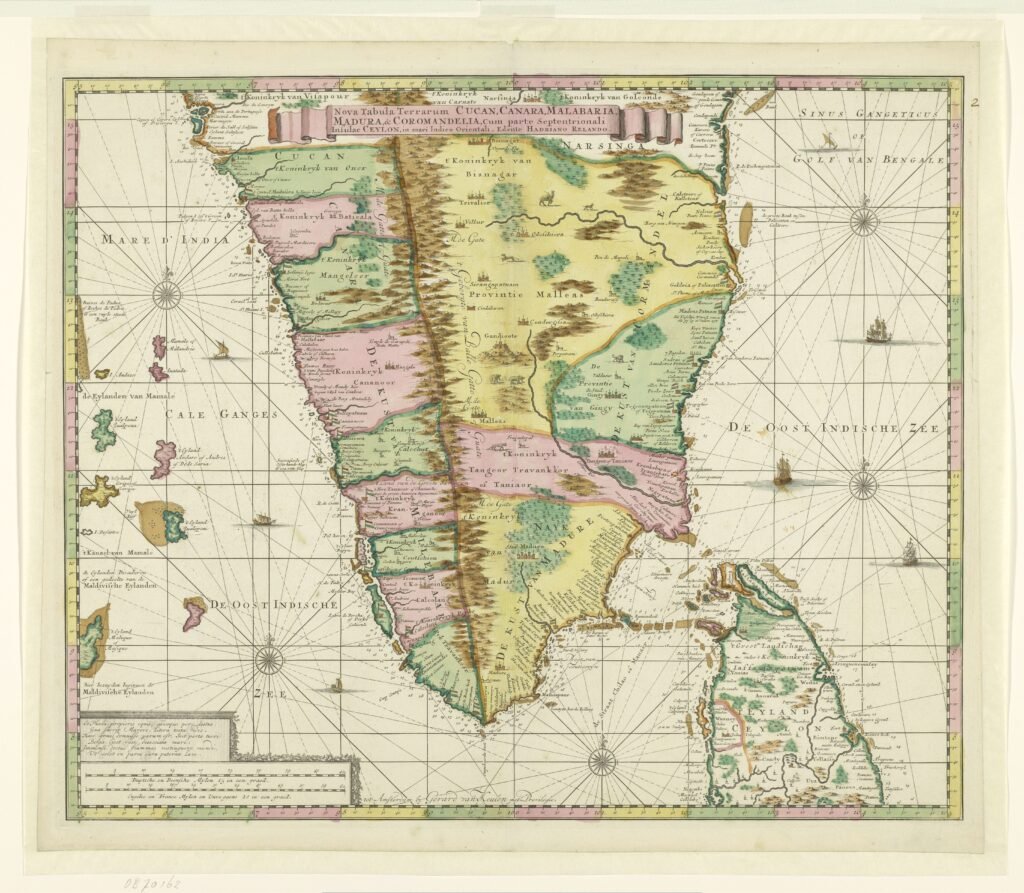
A new map of the lands of Cucan, Canara, Malabaria, Madura, & Coromandella, with the northern part of the island of Ceylon, in the East Indian Sea. It was created by Adriaan Reeland in 1720 and published by Gerard van Keulen.
Where to find it: NG-501-71
Joan Ketelaar’s Embassy to the King of Udaipur
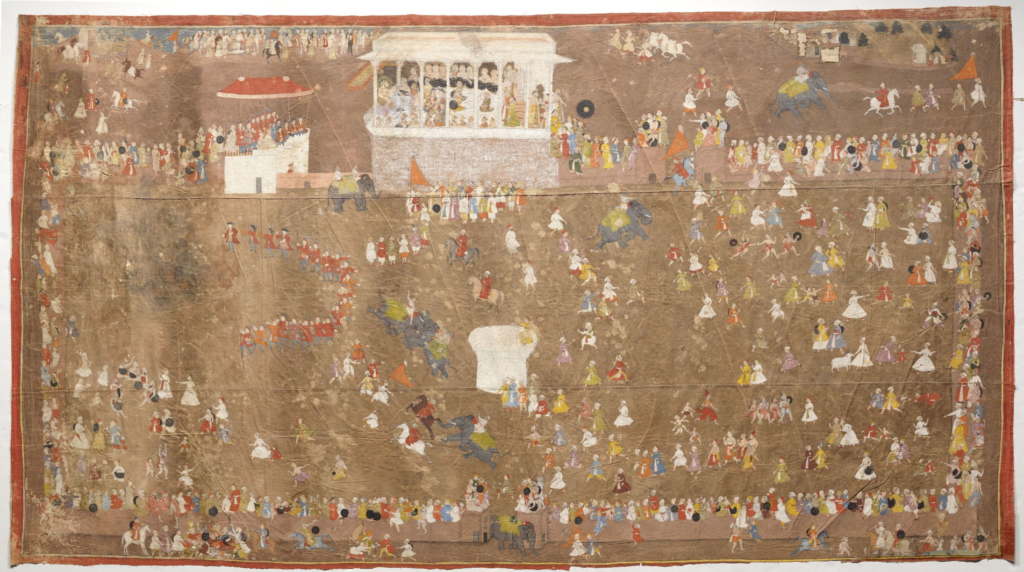
This 1711 painting comissioned by Maharana Sangram Singh of Udaipur shows his court entertaining the members of the Dutch East India Company led by Johan Josua. The embassy of VOC had been travelling from Surat to the court of Mughal Emperor Bahadur Shah, who was residing in Lahore.
Where to find it: NG-1987-7
The Trading Post of the Dutch East India Company in Hooghly, Bengal
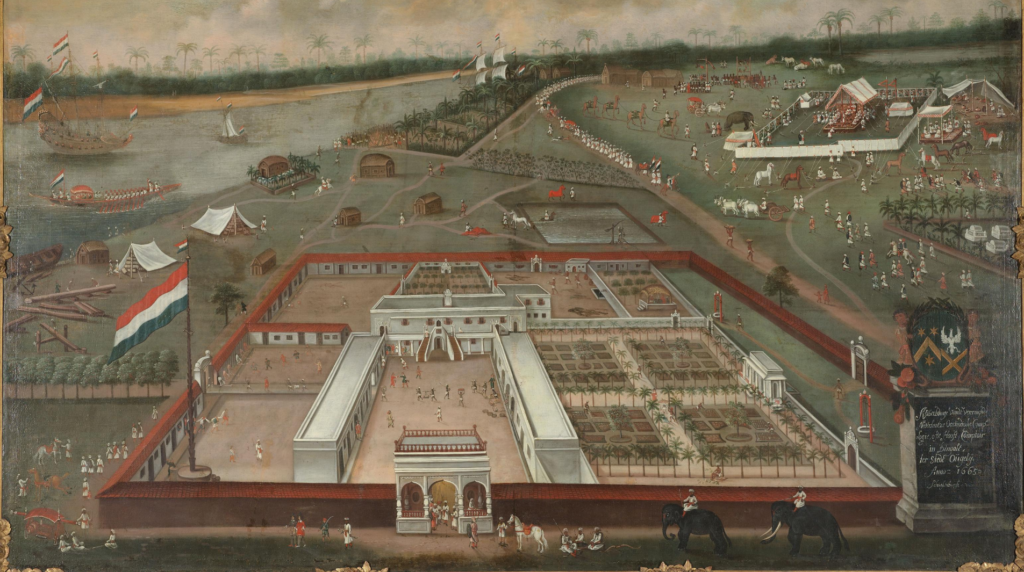
This painting depicts the trading post or lodge of the Dutch East India Company at Hoegly or Hougly in Bengal, 1665. On the left is the Ganges River with several ships. Above, a long procession of Indians approaches, led by a Dutch trumpeter and standard-bearers with Dutch flags. Halfway through the procession, two Dutchmen are carried in a palanquin. To the right of this is an encampment with an Indian dignitary in a tent, horses, cows, elephants, and dromedaries. On the right side of the scene is a cemetery. In the lower right, on a stele, is the coat of arms of Pieter Sterthemius and Maria Calandrini.
Where to find it: SK-A-4282
View of the Zoji la, Ladakh, India
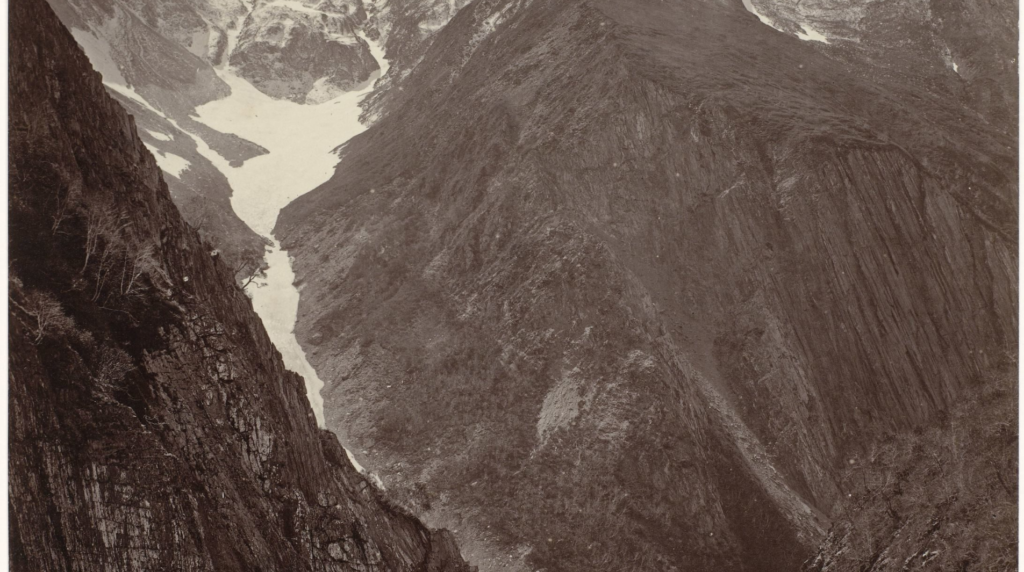
This photography by Samuel Bourne shows Zoji La, mountain pass in the Himalayan mountains in Laddakh captured in 1865.
Where to find it: RP-F-F80410
A trip to Rijksmuseum with an intention to find your roots will create a deeper connection to your visit than going to take a few pictures of the pieces where the crowd is going. We hope this article leads to a quiet, slightly unsettling realization that pieces of home are preserved, categorized, and admired here and offers you a better experience in your next visit.
Did you find any other artifacts you felt connected to? Write to us.